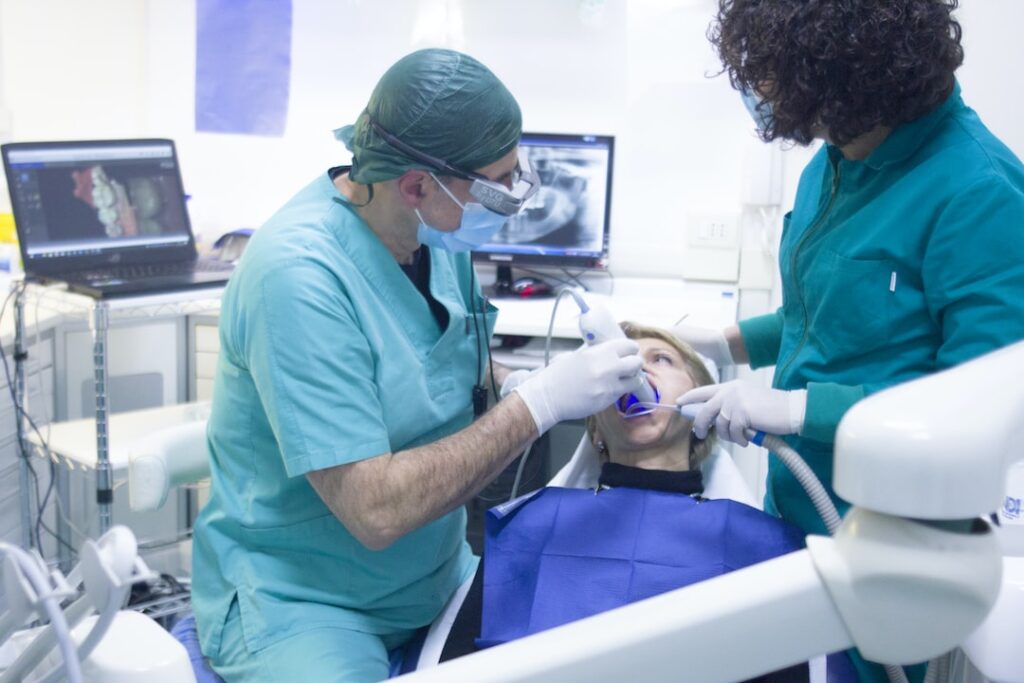
In today’s rapidly advancing world, dentistry has also witnessed remarkable progress through the introduction of modern techniques. These techniques not only enhance the quality of dental care but also improve the overall patient experience.
In the following paragraphs, we will delve into the key aspects to consider when identifying a dentist who embraces these modern techniques. From understanding the evolution of dentistry to exploring cutting-edge tools and equipment, we will provide you with valuable insights to make an informed decision about your dental care provider.
Firstly, we will take a brief trip down the memory lane of dentistry, highlighting significant advancements that have shaped the way dental treatments are performed today. From the discovery of anesthesia to the implementation of advanced imaging technology, dental care has come a long way in ensuring patient comfort and achieving better treatment outcomes.
Next, we will explore the benefits of incorporating advanced technology in dental practices. From digital dentistry to laser procedures, these modern techniques offer numerous advantages such as increased accuracy, efficiency, and improved aesthetics. Dentists in Tijuana who embrace these techniques demonstrate their commitment to staying at the forefront of their profession.
Continuing education and professional development play a vital role in a dentist’s ability to provide modern dental care. We will discuss the importance of dentists constantly updating their knowledge and skills to offer the latest treatment options, ensuring their patients receive cutting-edge care.
We will provide you with a checklist of telltale signs that indicate a dentist’s commitment to incorporating modern techniques. By understanding these signs, you will be equipped to identify a dental professional who prioritizes patient well-being and utilizes the most advanced approaches for optimal dental care.
Understanding the Benefits of Advanced Technology in Dental Care
With the rapid advancements in technology, the field of dentistry has been revolutionized, offering numerous benefits to both dentists and patients alike. The integration of advanced technology in dental care has greatly improved the accuracy, efficiency, and overall patient experience.
One significant advantage of advanced technology in dental care is the enhanced diagnostic capabilities. Utilizing digital imaging techniques such as cone beam computed tomography (CBCT) or intraoral cameras, dentists can obtain highly detailed and precise images of a patient’s oral structures. This improves the accuracy of diagnoses and allows for better treatment planning.
The incorporation of innovative tools and equipment has significantly improved the efficiency of dental procedures. For instance, the use of CAD/CAM technology enables dentists to create custom-made restorations, such as crowns or veneers, in a single appointment. This eliminates the need for multiple visits and temporary restorations, saving patients valuable time and minimizing discomfort.
Additionally, advanced technology in dental care has led to the development of minimally invasive treatment options. Laser dentistry, for example, utilizes high-energy beams of light to perform a variety of dental procedures with enhanced precision. This not only reduces the need for invasive surgical techniques but also minimizes pain, bleeding, and healing time for patients.
The integration of advanced technology has also improved communication and patient education. With the help of digital educational resources and visual aids, dentists can effectively explain complex procedures and treatment options to patients. This empowers individuals to make informed decisions regarding their oral health and enhances patient satisfaction.
Advanced technology has improved the overall patient experience by increasing comfort and reducing anxiety. The use of intraoral scanners eliminates the need for uncomfortable traditional impressions, making the process more comfortable for patients. Additionally, techniques such as virtual reality or sedation dentistry help alleviate dental anxiety, ensuring a relaxed and stress-free environment.
The benefits of advanced technology in dental care are vast and remarkable. From improved diagnostics and treatment planning to enhanced efficiency and patient comfort, the integration of advanced technology has transformed the field of dentistry. Embracing these modern techniques allows dentists to provide high-quality care while ensuring a positive and satisfying experience for patients.
The Importance of Continuing Education and Professional Development for Dentists
Continuing education and professional development play a critical role in the field of dentistry. In a constantly evolving industry, it is imperative for dentists to stay updated with the latest advancements and techniques. Ongoing education ensures that dentists are equipped with the knowledge and skills necessary to provide the highest level of care to their patients.
First and foremost, continuing education allows dentists to stay abreast of the latest research and evidence-based practices. By attending conferences, workshops, and seminars, dentists can learn about innovative treatment modalities, new technologies, and emerging trends in dental care. This knowledge helps dentists enhance their clinical expertise and provide modern and effective treatments to their patients.
Continuing education enables dentists to expand their professional network. Interacting and collaborating with other dental professionals through educational events fosters a sense of community and allows for the exchange of ideas and experiences. Through these connections, dentists can learn from one another and gain valuable insights that can benefit their own practice.
Continuing education also promotes lifelong learning and growth. By investing in their own professional development, dentists demonstrate their dedication to continuous improvement. They develop a mindset that values learning and embraces change, which is crucial in an industry where advancements are constantly being made. This commitment to ongoing education not only benefits dentists but also translates into better outcomes for their patients.
Another reason why continuing education is vital is because it helps dentists meet and maintain licensing requirements. Dental regulatory bodies often require dental professionals to complete a certain number of continuing education credits within a specified time period to ensure that they are practicing at the highest standard. By fulfilling these requirements, dentists demonstrate their commitment to professional excellence and regulatory compliance.
Continuing education and professional development are of paramount importance for dentists. By staying updated with the latest advancements, expanding their professional network, fostering a desire for continuous improvement, and meeting licensing requirements, dentists can provide the highest level of care and embrace the ever-evolving landscape of dentistry.
The Evolution of Dentistry: A Brief Overview of Modern Techniques
Dentistry has come a long way since its humble beginnings, constantly evolving with advancements in technology and techniques. This brief overview aims to explore the transformative journey of modern dentistry and shed light on the emergence of cutting-edge techniques that have revolutionized the field.
Throughout history, dentistry has transitioned from rudimentary practices to a sophisticated discipline that prioritizes patient comfort and optimal oral health. Early dental procedures were often performed by barbers or general physicians, who lacked specialized knowledge and equipment. However, as the need for dental care became more apparent, dedicated dentists emerged, devoting their efforts to improving the field.
The advent of anesthesia was a game-changer in dentistry, dramatically improving patient experiences and allowing for more complex procedures to be carried out painlessly. With the introduction of local anesthesia in the late 19th century and the development of safer and more effective numbing agents over time, dentists could focus on providing quality care without compromising patient well-being.
As technology advanced, dentistry embraced new tools and methods to enhance diagnoses and treatment planning. Radiography, for instance, revolutionized the ability to detect dental problems hidden beneath the surface. The adoption of X-rays in the early 20th century significantly improved diagnostic capabilities, allowing dentists to identify issues such as cavities, impacted teeth, and bone abnormalities more accurately.
Digital dentistry has emerged as a transformative force in recent years, bringing numerous benefits to both dentists and patients. Advanced imaging technologies, such as Cone Beam Computed Tomography (CBCT), provide three-dimensional views of the oral cavity, aiding in the planning and placement of dental implants with unparalleled precision.
Perhaps one of the most notable advancements in modern dentistry is the rise of minimally invasive techniques. Traditionally, invasive procedures were commonplace, causing discomfort and longer recovery times for patients. However, with the development of advanced materials and techniques, dentists can now provide treatments that preserve as much natural tooth structure as possible, resulting in improved patient outcomes.
Laser dentistry is another groundbreaking innovation that has gained popularity due to its various applications in oral health care. Laser technology allows dentists to perform precise and virtually painless dental procedures, such as gum surgeries and cavity removal. Additionally, lasers can assist in teeth whitening and the treatment of gum disease, offering patients more efficient and comfortable experiences at the dental clinic.
The evolution of dentistry continues to unfold, with ongoing research and advancements pushing the boundaries of what is possible. From the integration of artificial intelligence in diagnostic tools to the development of regenerative techniques for tissue restoration, the future holds immense potential for further advancements in dental care.
Dentistry has evolved significantly over time, embracing modern techniques and technology to enhance patient care and treatment outcomes. From the introduction of anesthesia to the utilization of digital imaging and minimally invasive procedures, the progress made in the field of dentistry is truly remarkable, and it is anticipated that future innovations will continue to shape the way dental care is delivered.
The Telltale Signs of a Dentist Embracing Modern Techniques
In today’s ever-evolving field of dentistry, keeping up with modern techniques is crucial for providing high-quality dental care. But how can you identify a dentist who truly embraces these advancements and incorporates them into their practice? By looking for these telltale signs, you can ensure that you are receiving the most up-to-date and effective treatments available.
One clear indication of a dentist embracing modern techniques is their investment in advanced technology. Whether it’s digital scanning systems for accurate impressions or intraoral cameras for detailed examinations, these tools demonstrate a commitment to utilizing state-of-the-art equipment to enhance patient care.
Another sign to watch for is a dentist’s dedication to continuing education. Dentistry is a constantly evolving field, and dentists who actively seek out opportunities for professional development and stay updated on the latest research are more likely to embrace modern techniques. Look for certifications, memberships in professional organizations, or participation in conferences to gauge their commitment to staying current.
A dentist who embraces modern techniques will have a strong emphasis on preventive and minimally invasive dentistry. Instead of simply treating dental issues as they arise, these dentists place a high value on preventive measures such as regular cleanings, oral health education, and early intervention to stop problems before they worsen.
When visiting a dental practice, observe the atmosphere and overall patient experience. A dentist who embraces modern techniques will prioritize patient comfort and satisfaction. From comfortable waiting areas to efficient appointment scheduling systems, these dentists understand that providing a pleasant experience is just as important as the actual treatments they provide.
Additionally, look for a dentist who takes a comprehensive approach to treatment planning. Modern dentistry goes beyond just addressing immediate concerns and looks at the bigger picture of a patient’s oral health. If a dentist discusses long-term goals, offers personalized treatment plans, and considers a range of options, it signals their commitment to modern, patient-centric care.
Dentists who embrace modern techniques will often have a strong online presence. They may have an informative website, active social media profiles, or even utilize teledentistry for virtual consultations. This digital presence showcases their willingness to engage with patients using the latest technology and reach a wider audience.
By recognizing these telltale signs, you can confidently identify a dentist who embraces modern techniques. This ensures that you receive the highest level of care, benefit from cutting-edge treatments, and ultimately achieve optimal oral health.
Exploring Cutting-Edge Dental Tools and Equipment
Advancements in technology have greatly influenced the field of dentistry, revolutionizing the way dental professionals diagnose and treat oral health issues. The use of cutting-edge dental tools and equipment has become essential in providing patients with efficient, comfortable, and precise dental care.
One notable advancement in dental tools is the development of digital scanners. These scanners replace the traditional methods of taking physical impressions of the teeth, making the process more comfortable for patients and allowing for more accurate results. Dentists can now capture detailed 3D images of the mouth, enabling them to create precise restorations and treatment plans.
The introduction of intraoral cameras has also transformed the way dental professionals communicate with their patients. These small cameras allow dentists to capture clear and detailed images of the teeth and gums, enhancing patient understanding and involvement in their treatment process. By visualizing dental issues, patients can make more informed decisions about their oral health.
Laser technology has brought significant advancements in various dental procedures. Dental lasers offer precise and minimally invasive solutions for treatments such as gum disease therapy, cavity detection, and teeth whitening. Lasers not only enhance treatment outcomes but also minimize discomfort, reduce bleeding, and speed up healing times.
Another noteworthy tool making its mark in modern dentistry is the cone beam computed tomography (CBCT) scanner. This specialized 3D imaging technology provides comprehensive visualizations of the teeth, bones, nerves, and soft tissues in the craniofacial region. CBCT scans aid in accurate diagnosis, treatment planning, and the placement of dental implants.
The development of sedation technology has significantly improved the dental experience for anxious or fearful patients. Sedation techniques such as nitrous oxide, oral sedation, and intravenous sedation help patients relax during dental treatments, ensuring their comfort and reducing dental anxiety.
Computer-aided design and computer-aided manufacturing (CAD/CAM) systems have transformed the creation of dental restorations. With the help of these systems, dentists can digitally design prosthetics like crowns, bridges, and veneers and fabricate them in their own office using automated milling machines. This streamlines the process, allowing for same-day restorations and fewer appointments.
As dental technology continues to advance, dentists who embrace and invest in cutting-edge tools and equipment demonstrate a commitment to providing their patients with the highest level of care. By staying up-to-date with the latest advancements, dental professionals can enhance treatment outcomes, improve patient satisfaction, and ensure a more efficient and comfortable dental experience.
Leveraging Digital Dentistry for Precise and Efficient Treatments
In recent years, the rapid advancement of technology has revolutionized various industries, and dentistry is no exception. With the introduction of digital dentistry, dentists can now provide more precise and efficient treatments than ever before. By harnessing the power of digital tools and techniques, dental professionals can enhance the overall patient experience while achieving optimal treatment outcomes.
One major benefit of digital dentistry is the use of digital impressions. Instead of traditional putty impressions, dentists can now take high-resolution digital scans of the patient’s teeth and gums. This not only eliminates the discomfort and messiness associated with traditional impressions but also allows for greater accuracy and precision in creating dental restorations, such as crowns and bridges.
Digital imaging technologies, such as cone beam computed tomography (CBCT), provide dentists with detailed 3D images of the patient’s oral structures. This advanced imaging enables a more comprehensive assessment of dental conditions, aiding in precise diagnosis and treatment planning. By visualizing the mouth in three dimensions, dentists can better understand complex cases, identify hidden issues, and create tailored treatment plans that address the unique needs of each patient.
Digital dentistry also facilitates communication and collaboration among dental teams. Through the use of intraoral scanners and computer-aided design and manufacturing (CAD/CAM) systems, dentists can seamlessly share patient data and treatment plans with dental labs and specialists. This streamlined process enhances coordination and improves the overall efficiency of the treatment workflow, resulting in faster turnaround times and more predictable outcomes for patients.
In addition to improving accuracy and efficiency, digital dentistry offers enhanced patient education and engagement. Through chairside computer screens or virtual simulations, dentists can visually present treatment plans and show patients their potential outcomes. This empowers patients to make informed decisions about their oral health and actively participate in the treatment process.
With the integration of digital technologies, dentistry is entering a new era of precision, efficiency, and patient-centered care. Dentists who embrace digital dentistry are better equipped to provide accurate diagnoses, plan more effective treatments, and deliver exceptional results. By leveraging these modern techniques, dental professionals can elevate the overall standard of dental care and improve the oral health of their patients.
The Role of Advanced Imaging Technology in Diagnosis and Treatment Planning
Advanced imaging technology has revolutionized the field of dentistry, providing dentists with invaluable insights into the oral health of their patients. One of the key roles of advanced imaging technology is in the diagnosis of dental conditions. Traditional dental X-rays have long been used for this purpose, but advancements in technology have introduced more sophisticated imaging techniques like cone beam computed tomography (CBCT) and digital radiography.
CBCT scans, for instance, allow dentists to capture three-dimensional images of the teeth, jawbone, and surrounding structures. This level of detail enables them to identify abnormalities that may not be visible in traditional X-rays. Additionally, digital radiography uses digital sensors instead of traditional film, allowing for instant image processing and reduced radiation exposure.
With accurate and detailed images at their disposal, dentists can create highly personalized treatment plans for their patients. By analyzing the images, they can assess the extent of dental problems such as cavities, gum disease, and impacted teeth. This comprehensive understanding of the conditions allows for more precise and targeted treatments.
Advanced imaging technology aids in the planning and execution of complex dental procedures. For example, in cases requiring dental implants, CBCT scans provide invaluable information about the bone density, quantity, and quality. This allows dentists to accurately determine the optimal placement of the dental implants, resulting in better outcomes and improved patient satisfaction.
Another essential role of advanced imaging technology is its contribution to preventive dentistry. By detecting potential issues in their early stages, dentists can intervene before they become major problems. For instance, the use of intraoral cameras and digital scanners helps identify early signs of tooth decay, gum disease, and oral cancer. Early detection allows for proactive treatment strategies, preserving patient oral health.
In summary, advanced imaging technology has become a cornerstone of modern dentistry. It facilitates accurate diagnosis, comprehensive treatment planning, and preventive care. By harnessing the power of these advanced tools, dentists can provide their patients with the highest standard of oral care, ensuring improved outcomes and enhanced patient satisfaction.
Embracing Minimally Invasive Procedures for Enhanced Patient Comfort
When it comes to modern dentistry, one of the key aspects that dentists are focusing on is minimizing invasiveness while still providing effective treatments. Embracing minimally invasive procedures is a significant step towards enhancing patient comfort and satisfaction.
Gone are the days of extensive and painful dental procedures. With the advent of advanced technology and techniques, dentists now have the ability to perform treatments that require minimal intervention, preserving more of the natural tooth structure in the process.
One of the primary benefits of minimally invasive dentistry is reduced trauma to the patient. Traditional dental procedures often involved the removal of more healthy tooth structure, causing unnecessary discomfort and prolonged healing. By embracing minimally invasive techniques, dentists can provide less invasive treatment options, resulting in reduced pain and faster recovery for patients.
Advanced technologies have revolutionized dentistry by providing dentists with sophisticated tools to perform minimally invasive procedures. Digital imaging systems, such as cone-beam computed tomography (CBCT), allow dentists to visualize the oral structures with exceptional detail, enabling precise diagnosis and treatment planning.
Additive manufacturing, commonly known as 3D printing, has also played a significant role in minimally invasive dentistry. Dentists can now create precise, patient-specific restorations like crowns, veneers, and aligners, eliminating the need for extensive tooth preparation.
Laser dentistry is yet another innovation that embraces minimal invasiveness. Dental lasers can be used for an array of procedures, including gum disease treatment, cavity detection, and soft tissue surgeries. Laser therapy not only reduces the need for incisions or sutures but also promotes faster healing and minimizes discomfort for the patient.
Minimally invasive dentistry not only benefits patients in terms of comfort but also has long-term advantages. By preserving healthy tooth structure, patients are less likely to require extensive dental work in the future. This approach promotes preventive care, which plays a pivotal role in maintaining oral health and avoiding costly treatments down the line.
Embracing minimally invasive procedures offers numerous benefits, such as enhanced patient comfort, reduced trauma, and faster recovery. With the aid of advanced technology and techniques, dentists can now provide effective treatments while preserving as much of the natural tooth structure as possible. This patient-centered approach not only improves the overall dental experience but also contributes to long-term oral health.
Harnessing the Power of Laser Dentistry for Pain-Free Dental Procedures
In recent years, laser dentistry has emerged as a revolutionary technique that offers numerous benefits for both patients and dentists. By utilizing focused beams of light, this advanced technology allows for precise and effective dental treatments while minimizing discomfort during procedures.
One of the significant advantages of laser dentistry is its ability to minimize pain and reduce the need for anesthesia. The laser targets specific areas with high accuracy, which means that the surrounding healthy tissue remains unaffected. As a result, patients often experience less bleeding, swelling, and discomfort during and after the procedure.
Laser dentistry also enables dentists to perform minimally invasive treatments. With the high level of precision offered by lasers, dental professionals can remove decay and prepare teeth without removing excessive healthy enamel. This preservation of healthy tooth structure not only helps in maintaining oral health but also contributes to the longevity and strength of the teeth.
Another remarkable application of laser dentistry is in periodontal treatments. Lasers can effectively remove infected tissue and kill bacteria during procedures like gum disease treatment and gum contouring. Additionally, lasers can stimulate gum tissue regeneration, helping patients achieve healthier gums and improving the overall aesthetics of their smile.
Laser dentistry is widely used in cosmetic dentistry procedures. Dental lasers can be used to safely and precisely reshape gum tissue, creating a more symmetrical and aesthetically pleasing smile. Additionally, lasers can be employed in teeth whitening procedures, enhancing the efficiency and effectiveness of the treatment.
The benefits of laser dentistry extend beyond the chairside experience. Lasers are known for their ability to cauterize blood vessels and nerves, leading to reduced bleeding and post-operative discomfort. This, in turn, promotes faster healing times, allowing patients to recover more quickly and return to their daily activities without significant downtime.
It’s important to note that not all dental practices have incorporated laser dentistry into their treatments. Therefore, when searching for a dentist who embraces modern techniques, it is essential to inquire about their utilization of laser technology. By opting for a dental professional experienced in laser dentistry, patients can benefit from advanced and pain-free dental procedures that provide optimal results.
Laser dentistry is a game-changer in the field of dentistry, offering a multitude of advantages for patients seeking pain-free and efficient dental treatments. From minimizing discomfort and preserving healthy tissue to facilitating faster healing and providing aesthetic enhancements, lasers have truly revolutionized the dental experience for the better.
The Future of Dentistry: Revolutionary Techniques on the Horizon
The field of dentistry has come a long way, and with advancements in technology, we can expect even more exciting developments in the future. From the utilization of robotics to the integration of artificial intelligence, the future of dentistry looks promising and filled with innovation.
One area that holds significant potential is the use of 3D printing technology in dentistry. This revolutionary technique allows for the creation of customized dental prosthetics, such as implants or dentures, with incredible precision and accuracy. With 3D printing, dentists can enhance patient outcomes and ensure a comfortable fit, leading to improved oral health.
Another promising advancement is the application of nanotechnology in dentistry. By manipulating matter at the atomic or molecular scale, nanotechnology opens up new avenues for diagnostics, treatment, and prevention of dental diseases. Imagine dental fillings that release antimicrobial agents to fight bacteria or nanobots that clean plaque from your teeth – the possibilities are endless.
The integration of virtual reality (VR) and augmented reality (AR) into dental practices is set to transform the patient experience. VR can be used to create immersive environments that reduce anxiety and fear during dental procedures. On the other hand, AR can assist dentists in visualizing complex procedures and aid in precise treatment planning.
Advancements in regenerative dentistry hold great promise for the future as well. Stem cell research and tissue engineering techniques may enable the regeneration of damaged or lost dental tissues. Imagine a future where cavities can be naturally healed or growing a new tooth to replace a missing one becomes a reality.
Another area of interest is the development of smart toothbrushes and other oral care devices. These innovative tools can monitor oral hygiene habits, provide real-time feedback, and even detect early signs of dental problems. With connected technologies becoming increasingly prevalent, personalized oral care based on individual needs and data analysis will become the norm.
The integration of tele-dentistry into dental practices will revolutionize the way oral care is delivered. Remote consultations, monitoring, and even treatment provision will become more accessible, especially for individuals residing in remote areas or with limited access to dental care.
The future of dentistry holds tremendous potential for groundbreaking innovations. From 3D printing and nanotechnology to VR/AR and regenerative techniques, the possibilities are expanding. With these advancements, dentists can offer even more precise, efficient, and comfortable treatments, ultimately improving the oral health and well-being of patients.
Conclusion
As we conclude our exploration of identifying dentists who embrace modern techniques, it is evident that the dental industry continues to evolve at a rapid pace. Advancements in technology, continuing education, and a commitment to patient comfort and precision have transformed the way dentists practice and provide dental care.
By embracing cutting-edge dental tools and equipment, dentists can offer more efficient and effective treatments. Digital dentistry has revolutionized the field, allowing for precise diagnoses, streamlined workflows, and improved patient outcomes. Furthermore, the utilization of advanced imaging technology has greatly enhanced the accuracy of diagnosis and treatment planning.
Minimally invasive procedures have become increasingly popular, focusing on preserving the natural tooth structure and ensuring patient comfort. Laser dentistry has emerged as an invaluable tool, providing pain-free and minimally invasive alternatives to traditional dental procedures.
Looking towards the future, dentistry continues to show immense potential. The advancements in technology and research are paving the way for revolutionary techniques on the horizon. From regenerative dentistry to the use of artificial intelligence, the future of dentistry holds promise for even more personalized and comprehensive dental care.
When seeking a dentist who embraces modern techniques, it is crucial to consider their commitment to staying up-to-date with the latest advancements, their utilization of advanced tools and equipment, and their focus on patient comfort and precision. Keeping these factors in mind will ensure that you receive optimal dental care that is in line with the advancements and innovations of the ever-evolving field of dentistry.