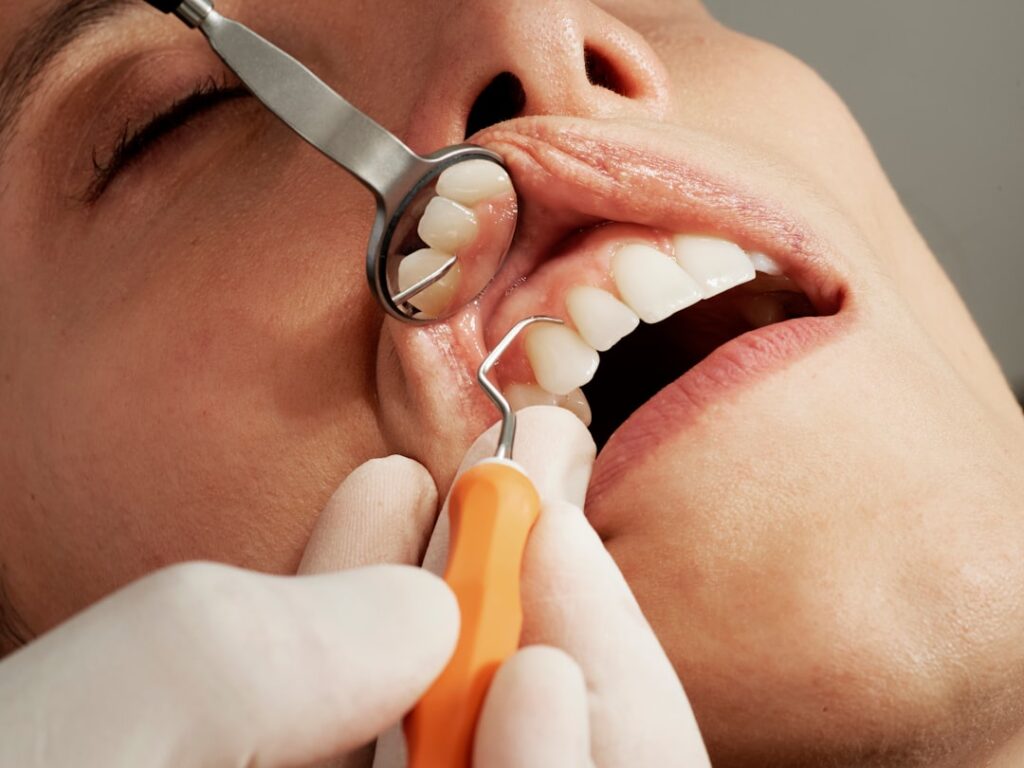
Are you looking to improve your oral health and maintain a beautiful smile? Visiting the dentist regularly is crucial in achieving optimal oral hygiene. By following the advice and recommendations of your dentist, you can prevent various dental issues and keep your teeth and gums healthy.
Proper brushing techniques play a significant role in oral health. Your dentist can provide guidance on the correct way to brush your teeth to effectively remove plaque and prevent cavities. In addition to brushing, flossing is another essential step in maintaining good oral hygiene.
Aside from oral hygiene practices, your diet also has a direct impact on your oral health. Consuming a balanced diet that is low in sugary and acidic foods can help prevent tooth decay and gum disease. Your dentist can offer advice on foods that promote good oral health and those to avoid.
The Role of Diet in Oral Health
When it comes to maintaining good oral health, the role of diet should not be underestimated. What you eat and drink can have a significant impact on the health of your teeth and gums. A diet high in sugary and acidic foods can contribute to tooth decay and gum disease, while a balanced diet rich in nutrients can help keep your mouth healthy.
Foods that are high in sugar can feed the bacteria in your mouth, leading to the production of acids that can erode your tooth enamel. This can result in cavities and other oral health issues. Additionally, acidic foods and drinks can also wear down the enamel on your teeth, making them more susceptible to damage.
On the other hand, incorporating foods that are high in calcium, such as dairy products, can help strengthen your teeth. Foods rich in vitamins and minerals, like fruits and vegetables, can also promote healthy gums and prevent gum disease. Drinking plenty of water is also important for maintaining good oral health, as it can help rinse away food particles and bacteria that can lead to plaque buildup.
It’s not just what you eat that matters, but also how often you eat. Snacking frequently throughout the day can expose your teeth to sugars and acids constantly, increasing the risk of dental problems. Opting for tooth-friendly snacks like cheese, nuts, or crunchy fruits and vegetables can be a better choice for your oral health.
In addition to making healthy food choices, it’s essential to practice good oral hygiene habits like brushing and flossing regularly. By combining a nutritious diet with proper oral care, you can help maintain a healthy smile and prevent dental issues in the long run.
Importance of Regular Dental Check-ups
Regular dental check-ups are crucial for maintaining good oral health. During these appointments, a dentist in Tijuana thoroughly examines your mouth, teeth, and gums for any signs of issues. By detecting problems early on, such as cavities or gum disease, can prevent them from worsening and requiring more extensive treatment.
Schedule check-ups at least twice a year to ensure that any developing problems are caught and addressed promptly. Even if you aren’t experiencing any pain or issues, can identify potential concerns that you may not be aware of. Prevention is key when it comes to oral health.
Professional cleanings during check-ups help remove plaque and tartar buildup, which can lead to cavities and gum disease if left unchecked. use specialized tools to clean areas that are difficult to reach with regular brushing and flossing.
Additionally, regular dental check-ups allow your dentist to provide personalized advice on how to improve your oral hygiene routine. Whether it’s demonstrating proper brushing techniques or recommending specific products, can help you take better care of your teeth and gums.
Oral health is closely linked to your overall health. By attending regular check-ups, you are not only maintaining a healthy smile but also reducing the risk of serious health conditions associated with poor oral hygiene. Make your oral health a priority by scheduling routine dental appointments.
Common Mistakes to Avoid
When it comes to oral health, many individuals inadvertently make errors that can negatively impact their teeth and gums. One common mistake is not brushing for the recommended two minutes each time. Rushing through this essential task can leave behind plaque and bacteria that may lead to cavities.
Another prevalent mistake is forgetting to replace your toothbrush regularly. Over time, the bristles wear out and become less effective at cleaning your teeth properly. It is advisable to replace your toothbrush every three to four months or sooner if the bristles appear frayed.
Not flossing regularly is also a mistake that individuals often make. Flossing helps remove food particles and plaque from between the teeth and along the gumline, areas that a toothbrush may not reach effectively. Skipping this step can contribute to decay and gum disease.
Using a hard-bristled toothbrush can also be detrimental to your oral health. Although some may think harder bristles mean a better clean, they can actually damage the enamel and irritate the gums. Opt for a soft-bristled brush to gently and effectively clean your teeth.
Neglecting regular dental check-ups is a significant mistake that many people make. Dentists can detect early signs of decay, gum disease, or other oral issues during these visits. By missing these appointments, you may allow potential problems to worsen without appropriate intervention.
A final common mistake individuals make is consuming sugary and acidic foods and beverages excessively. These items can contribute to tooth decay and erosion, leading to dental problems over time. Moderation and proper oral hygiene after consuming such foods are crucial to maintaining a healthy smile.
Tips for Proper Brushing Techniques
When it comes to maintaining good oral health, proper brushing techniques play a crucial role. Using the right method can help remove plaque and prevent cavities. Start by choosing a toothbrush with soft bristles that can reach all areas of your mouth.
Hold the toothbrush at a 45-degree angle and brush in small circular motions. Be sure to brush each tooth surface, including the outer, inner, and chewing surfaces. Don’t forget to brush your tongue to remove bacteria and freshen your breath.
It’s recommended to brush your teeth for at least two minutes, twice a day. Avoid applying too much pressure as it can damage your gums and tooth enamel. Replace your toothbrush every three to four months or sooner if the bristles are frayed.
In addition to proper brushing techniques, consider using fluoride toothpaste to strengthen tooth enamel and prevent decay. Don’t rinse your mouth immediately after brushing to allow the fluoride to continue protecting your teeth.
Regular dental check-ups are also essential to ensure that your brushing techniques are effective and to address any potential issues early on. Your dentist can provide personalized recommendations based on your specific dental health needs.
By following these tips for proper brushing techniques and maintaining regular dental appointments, you can contribute to a healthier smile and overall oral well-being. Your efforts will not only benefit your teeth and gums but also your overall health.
Understanding the importance of flossing is crucial for maintaining optimal oral health. Flossing plays a significant role in removing food particles and plaque that can lead to cavities and gum disease. It reaches areas between teeth and along the gumline that a toothbrush may not effectively clean, promoting overall dental hygiene.
Proper technique is essential for flossing effectively. By gently guiding the floss between teeth and hugging each tooth in a C-shape, you can efficiently remove debris and plaque. It is recommended to use a clean section of floss for each tooth to prevent the spread of bacteria.
Flossing should be part of your daily oral care routine, ideally done at least once a day. By incorporating flossing into your regimen, you can help prevent gum inflammation and reduce the risk of periodontal disease.
For those who find traditional floss challenging to use, other flossing tools such as dental picks or water flossers can be effective alternatives. These tools can make the flossing process more accessible and convenient.
Regular flossing not only enhances your oral health but also contributes to your overall well-being. By maintaining a flossing routine, you can promote healthy gums, fresher breath, and a brighter smile. Remember, flossing is a simple yet powerful habit that can make a significant difference in your dental health.
Maintaining a healthy smile for life requires consistent oral care habits and regular dental visits. Brushing your teeth at least twice a day with fluoride toothpaste is essential for removing plaque and preventing cavities. Additionally, remember to replace your toothbrush every three to four months and use proper brushing techniques to ensure thorough cleaning.
Another crucial aspect of oral health is flossing. By flossing once a day, you can remove plaque and food particles from between your teeth that brushing alone may miss. Proper flossing technique involves gently guiding the floss between each tooth and along the gumline, making a C-shape to clean effectively.
Alongside brushing and flossing, maintaining a balanced diet plays a significant role in the health of your teeth and gums. Limiting sugary and acidic foods can help prevent tooth decay and enamel erosion, while incorporating nutrient-rich foods like fruits, vegetables, and dairy products can strengthen your teeth.
Regular dental check-ups are crucial for detecting and preventing oral health issues. Dentists can identify early signs of decay, gum disease, and other problems that may not be visible to the naked eye. This proactive approach allows for timely treatment and prevents more significant issues from developing.
In addition to professional dental care, practicing good oral hygiene habits at home is essential. This includes using mouthwash to reduce bacteria, cleaning your tongue to prevent bad breath, and avoiding harmful habits like smoking that can negatively impact your oral health.
By following these tips and committing to a comprehensive oral care routine, you can enjoy a healthy smile for life. Remember, prevention is key in maintaining good oral health, so prioritize your dental hygiene to preserve your teeth and gums for the long term.
Conclusion
Following the dentist tips mentioned throughout this blog post can significantly contribute to maintaining optimal oral health. By attending regular dental check-ups, practicing proper brushing techniques, being mindful of diet choices, avoiding common mistakes, understanding the importance of flossing, and implementing strategies to maintain a healthy smile for life, individuals can take proactive steps towards achieving and preserving excellent dental hygiene.
Regular dental visits allow professionals to detect any oral health issues early on, potentially preventing more serious problems down the line. By incorporating these tips into your daily routine, you can promote not only a healthy smile but also overall well-being. So, prioritize your oral health, listen to the advice of your dentist, and make a conscious effort to care for your teeth and gums regularly.